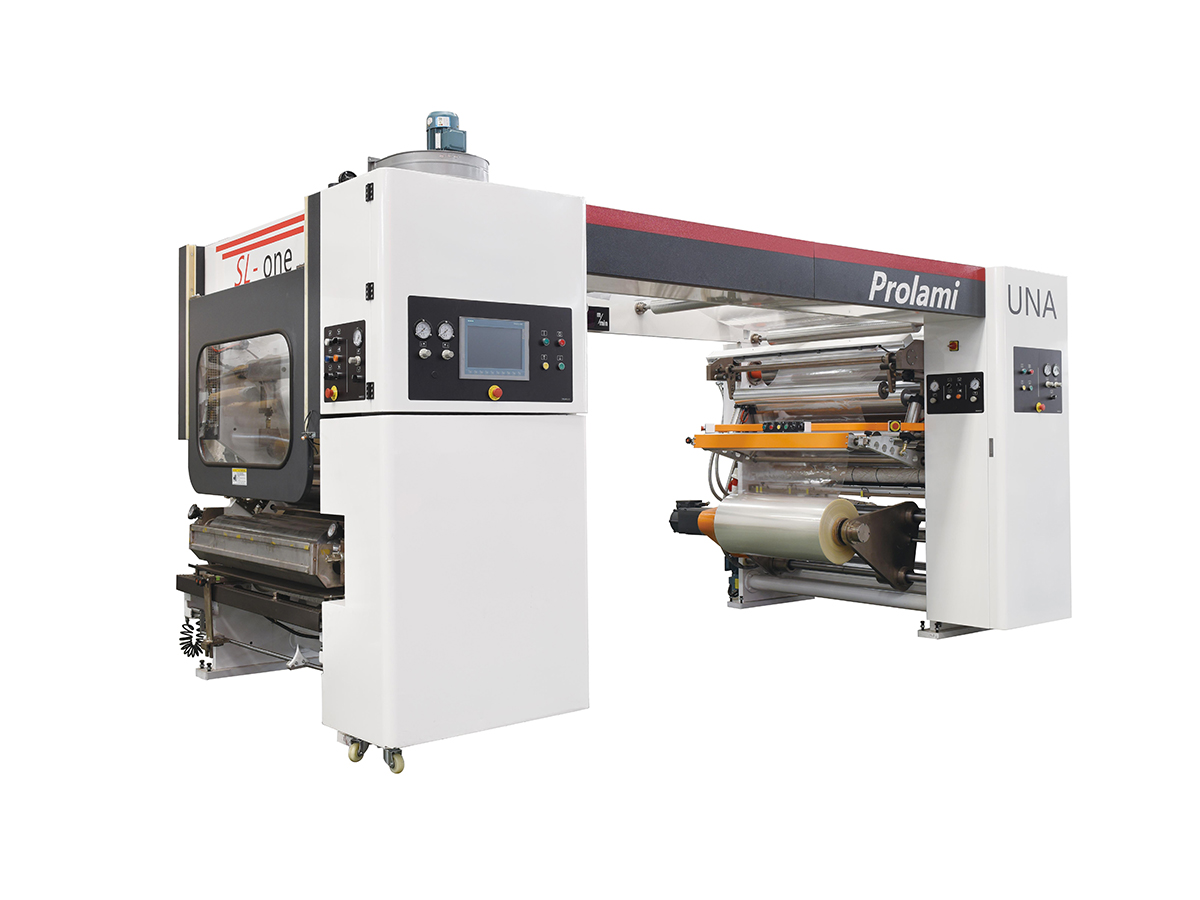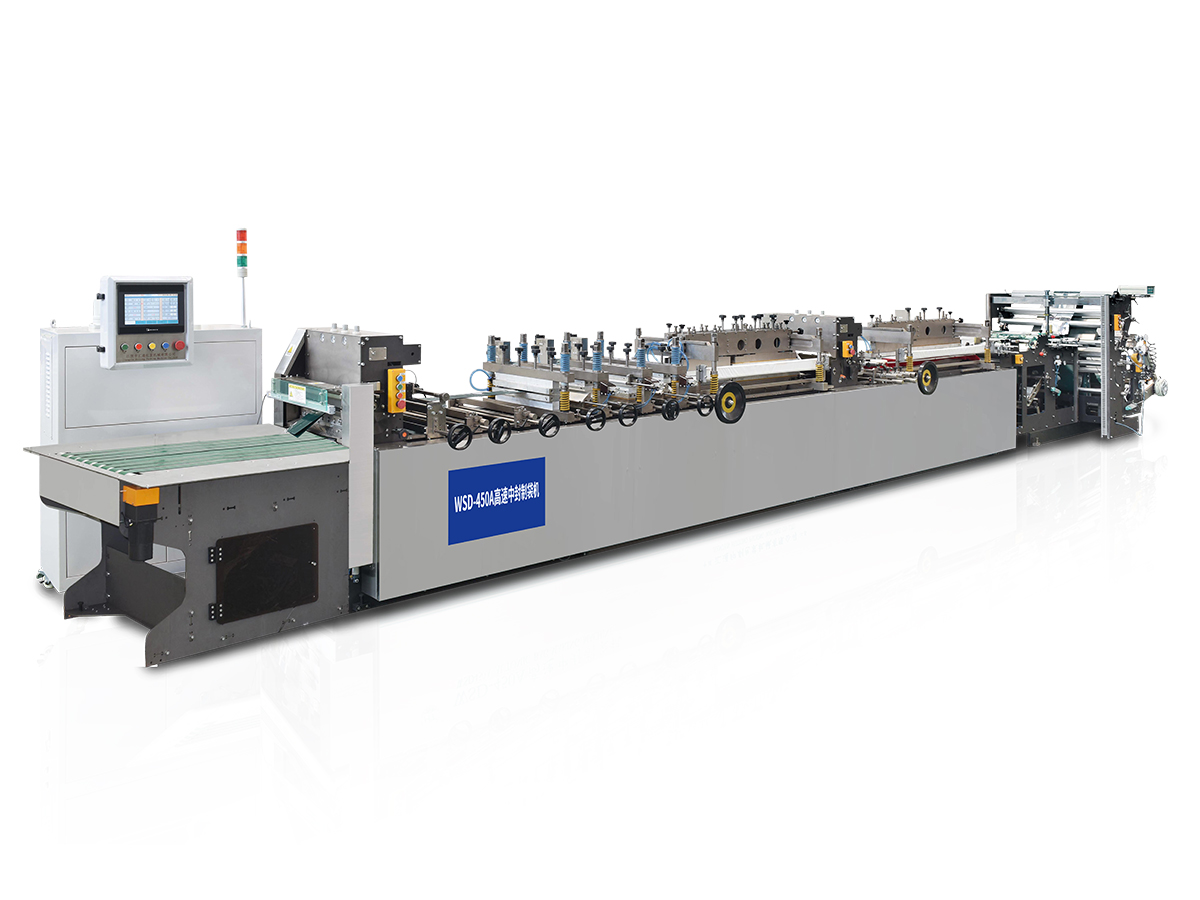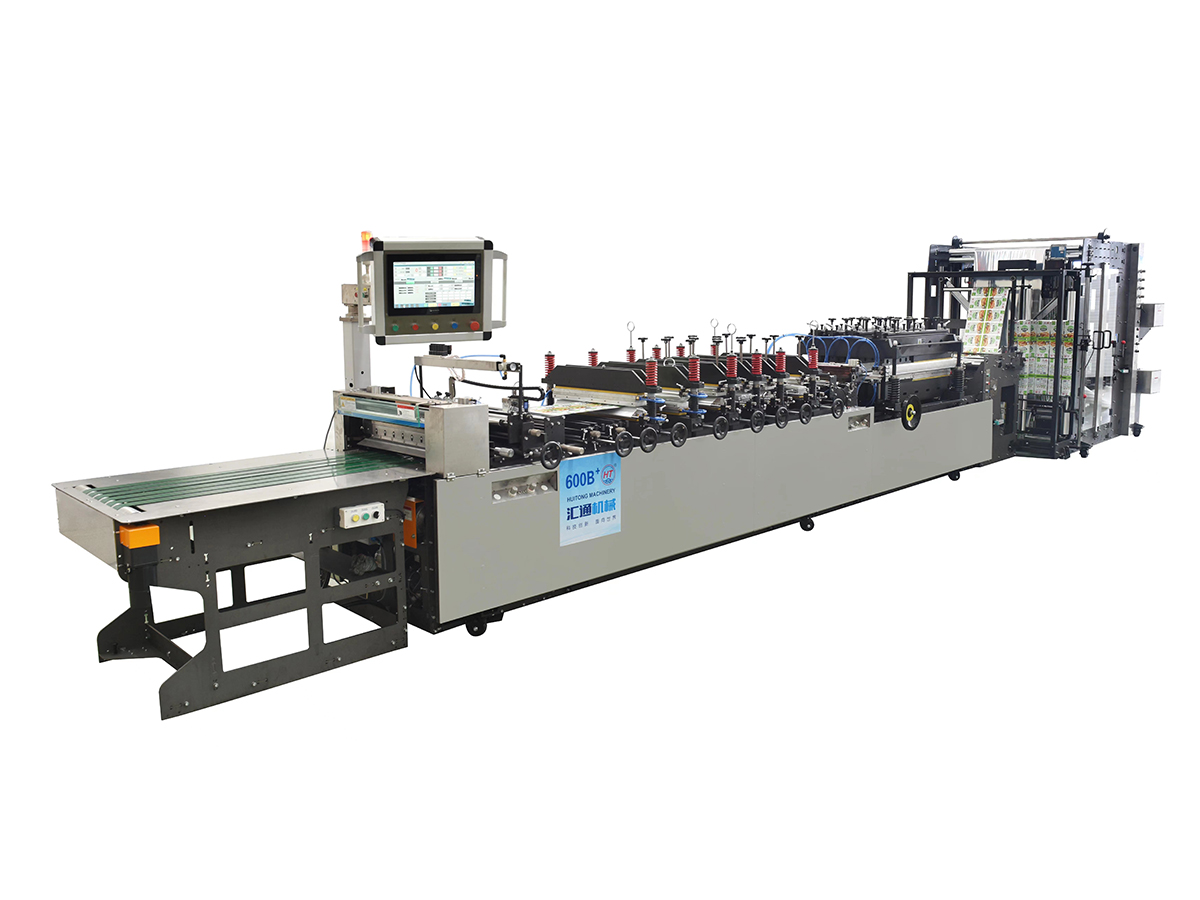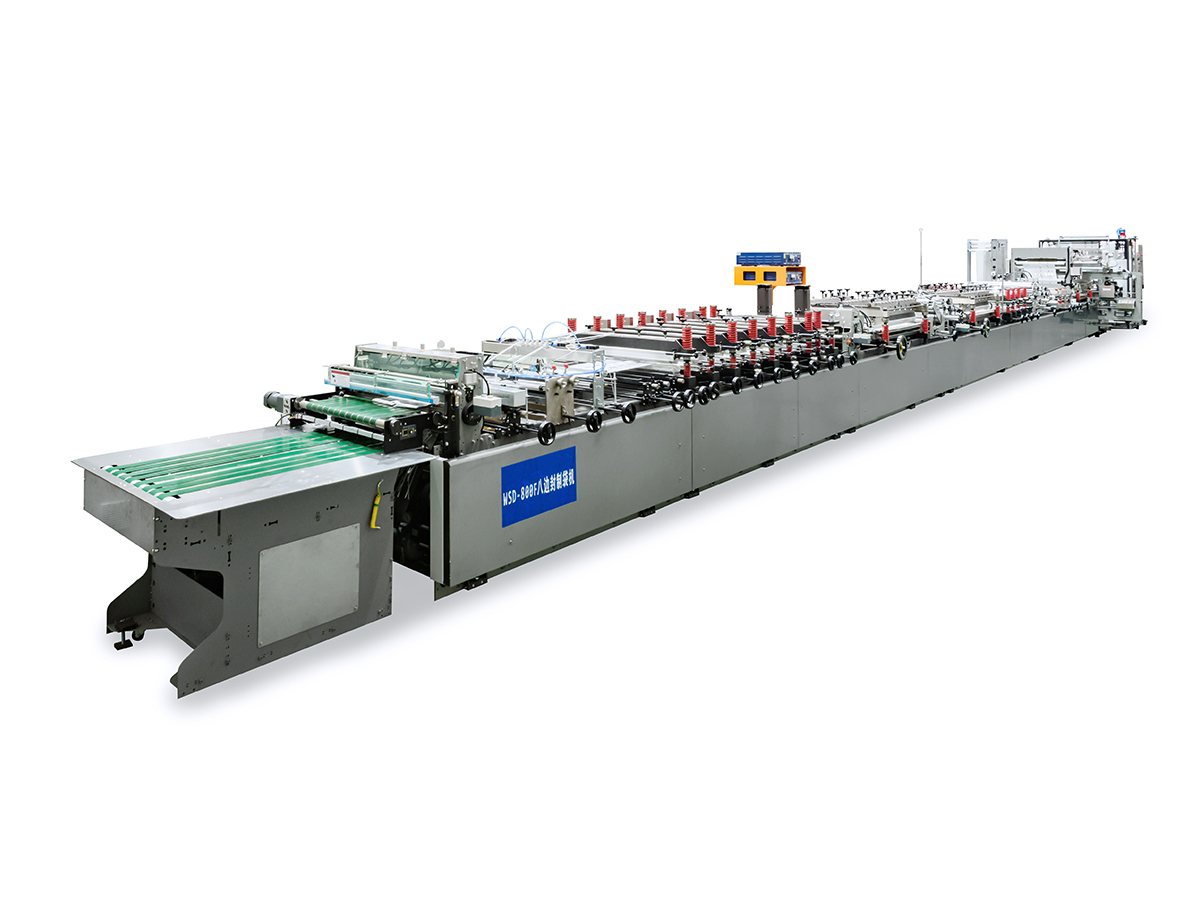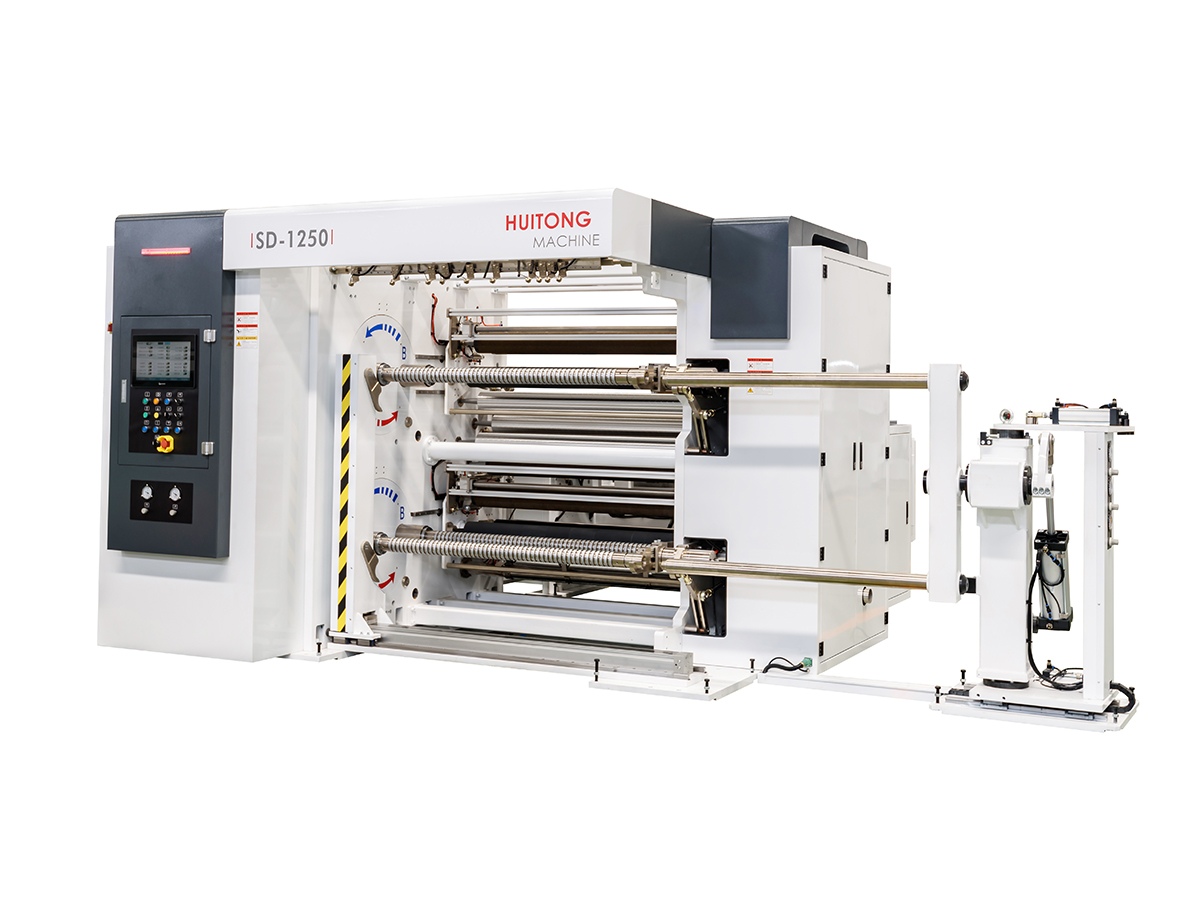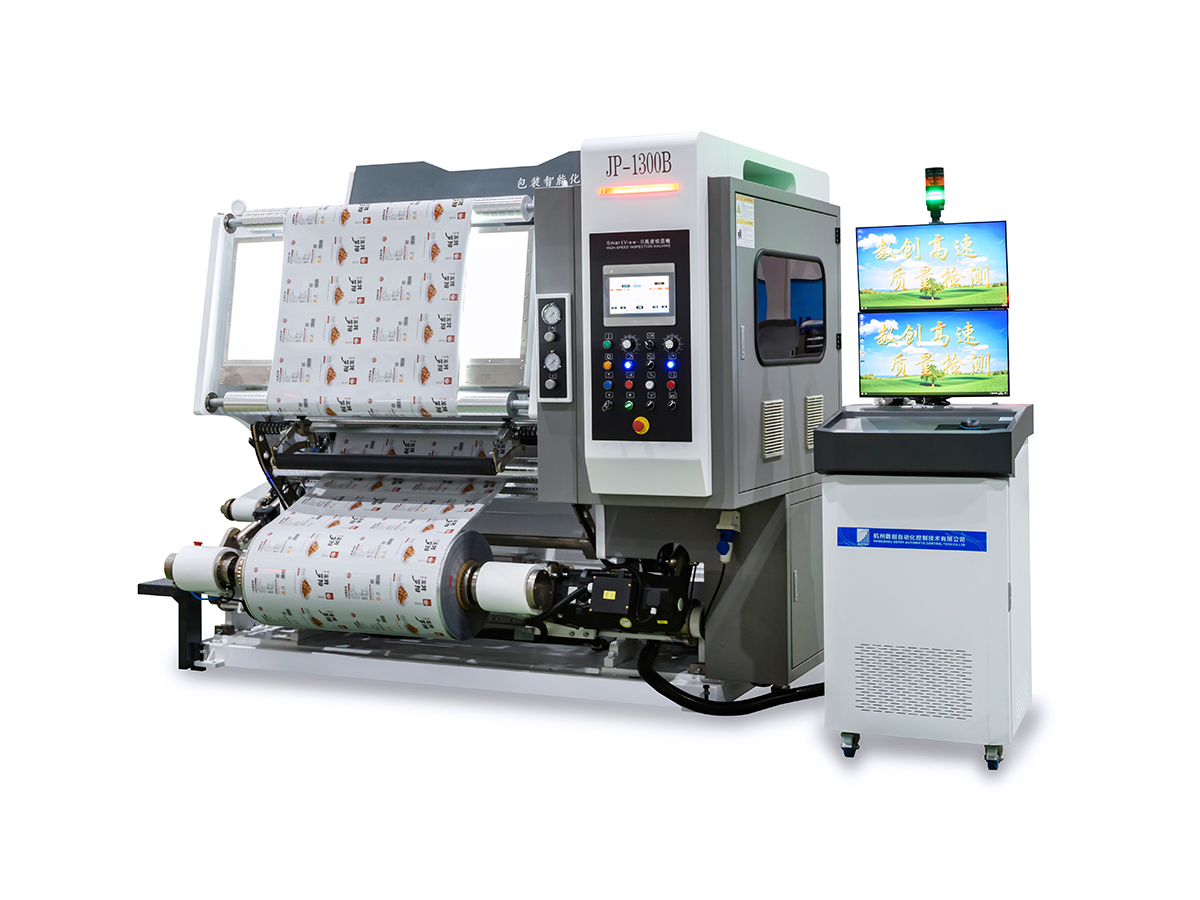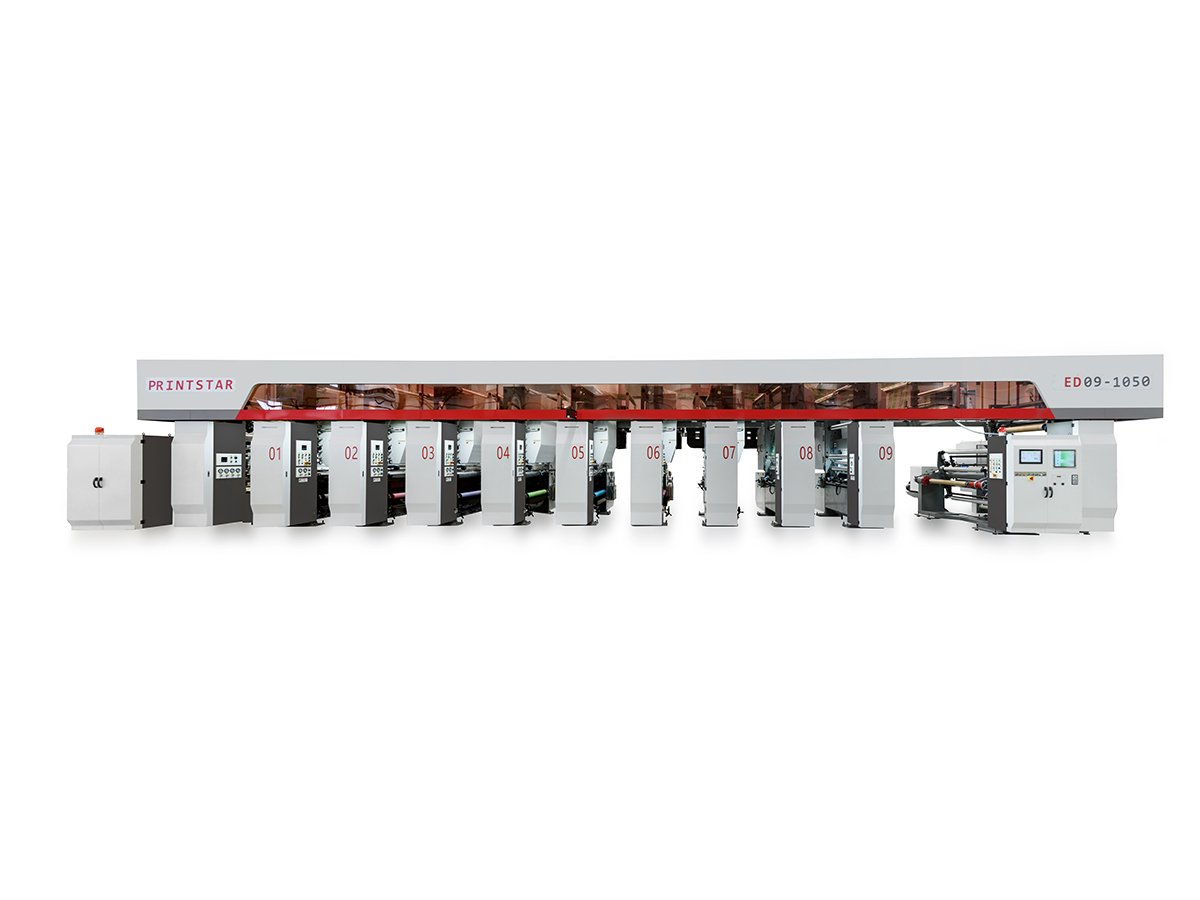
Meaisín slitting ardluais Is uirlisí riachtanacha iad do thionscail a ghintear gearrtha beach ar ábhair cosúil le scannáin phlaisteacha, páipéar, scragall miotail, fabraicí neamhfhite, agus níos mó. Tá na meaisíní seo deartha chun rollaí leathana a thiontú ina rollaí níos cúinge agus níos soláimhsithe, ag cinntiú go gcomhlíonfaidh táirgí na hardchaighdeán le haghaidh tuilleadh próiseála nó úsáide deiridh. Tá éifeachtacht agus cruinneas na meaisíní seo ríthábhachtach, toisc go bhfuil ról suntasach acu sna tionscail phacáistithe, líníochta, dearadh agus teicstíle, i measc daoine eile. Chun an fheidhmíocht a chothabháil agus saolré do mheaisíní slitting ardluais a léamh, tá cothabháil chuí ríthábhachtach.
Sula gcríochnóidh tú i mbun cothabhála, tá sé tábhachtach tuiscint a fháil ar na príomhchodanna de mheaisíní slitting ardluais. spreag an t-eolas seo leat réimsí a aithint a dteastaíonn aird agus cúram uathu. I measc na bpríomhchodanna tá:
spreagtar tuiscint ar an gcaoi a n-oibríonn na comhpháirteanna seo le chéile leat ceisteanna féideartha a dhiagnóiseadh agus an meaisín a chothabháil go héifeachtach.
Feidhmíonn meaisín slitting ardluais ag luas ard, ag giniúint teasa agus cuimilte is féidir a chaitheamh agus a ghearradh mura ndéantar é a chosaint i gceart. Tá glanadh agus lubrication rialta ar dhá cheann de na cinn suntasach lena chinntiú go n-oibríonn meaisín go réidh.
Sceideal Glantacháin agus Bealaithe:
| Tasc | Minicíocht | Táirge Molta |
|---|---|---|
| Glanadh aonad slitting | lá | Glantóir neamh-scríobach |
| Rollóirí agus giaranna lubrication | Seachtainiúil | Bealaidh cáilíochta |
| Glanadh córas rialaithe teannas | go míosúil | Éadach bog agus séidire aeir |
Is iad na sceana nó na lanna slitting an chuid ríthábhachtach d'aon meaisín slitting. Le himeacht ama, féadann na lanna seo éirí mín nó millte, rud a d’gearradh neamhchruinn a dhéanamh, táirgí ar ardchaighdeán, agus fiú brú a chur ar an mótar. Chun é seo a chosc, tá gá le hiniúchadh rialta agus athuair lanna.
Seicliosta Iniúchta Lanna:
| Mír Cigireachta | Gnímh | Minicíocht |
|---|---|---|
| Géire ceannródaíoch | Iniúchadh le haghaidh dullness | Seachtainiúil |
| Coinníoll lann | Seiceáil le haghaidh sceallóga / leasainmneacha | go míosúil |
| Athsholáthar lann | Ionadaigh má dhéantar damáiste | Mar is gá |
Cinntíonn an córas rialaithe teannas go bhfanann an t-ábhar teann agus ailínithe i gceart le linn an phróisis slitting. Is féidir le córas teannas mífheidhmithe laghduithe, dramhaíl ábhartha, agus damáiste a dhéanamh don mheaisín.
Sceideal Cothabhála um Rialú Teannais:
| Tasc | Minicíocht | Gnímh Molta |
|---|---|---|
| Iniúchadh a dhéanamh ar shocruithe teannais | Seachtainiúil | Coigeartaigh mar is gá |
| Féach braiteoirí le haghaidh caitheamh | go míosúil | Glan agus calabraigh braiteoirí |
| Iniúchadh teannas aonad athchasadh | go míosúil | Ailíniú cuí a chinntiú |
Is féidir cáilíocht an ábhair a úsáidtear sa phróiseas slitting difear suntasach a dhéanamh ar fheidhmíocht meaisín slitting ardluais. Mura ndéantar na hábhair a láimhseáil nó a stóráil i gceart, féadfaidh siad a bheith ina chúis le saincheisteanna le linn an phróisis slitting.
Dea-Chleachtais Stórála Ábhar:
| Cineál Ábhar | Coinníollacha Stórála | Leideanna Láimhseála |
|---|---|---|
| Scannán plaisteach | limistéar tirim, fionnuar | Déileáil le cúram |
| Páipéar | Limistéar saor ó thaise | Seachain lúbthachta iomarcach |
| Scragall miotail | Dromchla réidh, glan | Úsáid uirlisí ardaithe go cuí |
Is é an córas mótair agus cumhacht an meaisín slitting ardluais. Gan iad, ní féidir leis an meaisín feidhmiú. Tá seiceálacha rialta ar an gcóras mótair agus tiomána ríthábhachtach chun a chinntiú go n-oibríonn an meaisín go héifeachtach.
Córais Mótair agus Tiomána Cothabháil:
| Comhpháirt | Gnímh Cothabhála | Minicíocht |
|---|---|---|
| Mótar | Seiceáil le haghaidh torann/creathadh | go míosúil |
| Criosanna tiomána/ulóga | Iniúchadh le haghaidh caitheamh | go míosúil |
Tá ról ag an mbealach a oibrítear an meaisín ina shaolré suntasach. Tá oiliúint threoracha d’oibreoirí lena n-áiritheofar go léiríonn siad an tábhacht a bhaineann le cleachtais chothabhála agus úsáid cheart an meaisín.
Sceideal Oiliúna Oibreora:
| ábhar | Minicíocht | Gnímh Molta |
|---|---|---|
| Oibríocht bhunúsach agus sábháilteacht | Ráithiúil | Eagraigh seisiúin |
| Tascanna agus nósanna imeachta cothabhála | Go débhliantúil | Oideachas leanúnach a chinntiú |
Trí phlean cothabhála réamhghníomhach a chur i bhfeidhm, lena n-áirítear glanadh rialta, bealú, athbhreithniú lann, rialú teannas, seiceálacha mótair, agus oiliúint cheart d’oibreoirí, is féidir leat saolré do mheaisíní slitting ardluais a leathnú go suntasach. Ní hamháin go bhfeabhsóidh aird chomhsheasmhach ar na príomhréimsí seo aschur an mheaisín ach freisin cosc a chur ar acmhainní costasacha agus downtime, ag cinntiú próisis táirgthe réidh ar feadh na mblianta atá le teacht.
C1: Cé chomh minic ba chóir dom mo mheaisín slitting ardluais a ghintear?
A1: Moltar an meaisín a tháirgeadh go laethúil, go háirithe an t-aonad slitting agus na rollóirí, chun tógáil ábhar a chosc agus oibriú rianúil a chinntiú.
C2: Cén cineál bealaidh ba cheart dom a úsáid le haghaidh páirteanna gluaisteacha an mheaisín?
A2: Úsáid bealaí ardcháilíochta molta ag an monaróir. De ghnáth, is fearr le ramhar nó ola le margaíocht ard le haghaidh meaisíní slitting.
C3: Conas is féidir liom a rá an bhfuil gá le hathsholáthar na lanna slitting?
A3: Más rud é go bhfuil an chuma ar na lanna dull, sceallta, nó go bhfuil siad ina gcomhaltaí le gearradh tionscadail, tá sé in am iad a athuair chun cáilíocht an táirge a chothabháil.
C4: Cad ba cheart dom a dhéanamh mura bhfuil an córas rialaithe teannas ag obair i gceart?
A4: Déan iniúchadh ar na braiteoirí, na rialtóirí, agus an t-aonad athchasadh le haghaidh damáiste nó mí-ailínithe. Cinntigh go bhfuil na socruithe teannais calabraithe i gceart.
C5: Conas is féidir liom dramhaíl ábhartha a chosc le linn an phróisis slitting?
A5: Cinntigh go bhfuil an t-ábhar ailínithe i gceart sula gcuirtear isteach sa mheaisín é, agus déan monatóireacht rialta ar an gcóras rialaithe teannas chun ábhair a láimhseáil a choimeád.
Déan Teagmháil Linn
Táirgí Molta
Lámha a Cheangail Le Huitong
Saincheap Do Réiteach Trealaimh Solúbtha Pacáistithe
Fiosraigh anois
Táirgí
déan teagmháil linn

Teil: +86-0510-86328508
+86-0510-86324508
Fón Póca: +86-13914908980
Ríomhphost: [email protected]
CUIR LEIS: Uimh. 429 Bóthar Xizhang, Baile Gushan, Cathair Jiangyin, Cúige Jiangsu, an tSín